
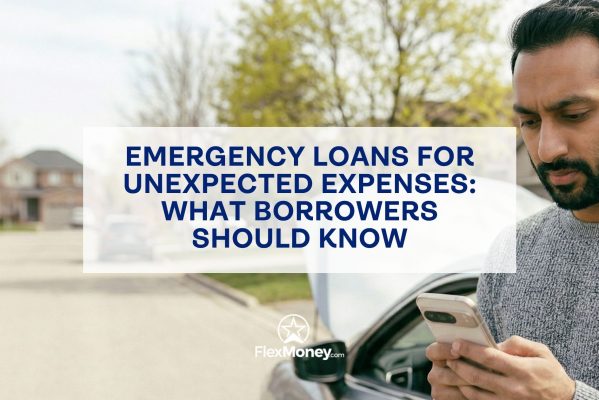
Unexpected expenses rarely arrive with warning. A car breaks down on the way to work. A medical bill appears after a routine visit. A home appliance stops working at the worst possible moment. These moments can disrupt even carefully planned budgets.
Many households intend to rely on emergency savings during these situations. Yet the reality is that emergency funds are not always available or large enough to cover sudden costs. According to financial research from the Federal Reserve, a significant number of Americans would struggle to cover a few hundred dollars in unexpected expenses without borrowing or selling something of value. Research published in the Federal Reserve’s report on household financial well-being highlights that many Americans would struggle to cover a $400 emergency using cash or savings alone.
When savings fall short, people often begin searching for emergency loans for unexpected expenses. The goal is not long term borrowing. Instead, it is about finding short term financial support that helps stabilize a difficult moment without creating further financial strain.
Understanding how emergency loans work and how to use them responsibly can make these financial challenges far more manageable.
When Life Throws a Financial Curveball
Financial emergencies come in many forms. Some are sudden and unavoidable, while others develop gradually but still require immediate attention.
Common examples include:
- Urgent car repairs needed to keep commuting to work
- Medical bills or prescription costs not fully covered by insurance
- Emergency home repairs such as plumbing failures or roof damage
- Unexpected travel expenses related to family situations
- Temporary income disruptions or delayed payments
These situations create immediate financial pressure. Bills must be paid quickly, yet savings may not be available. In these moments, people often begin looking for flex loans near me or other forms of accessible short term financing that can help cover urgent costs.
Emergency borrowing is not about funding luxury purchases. It is about maintaining financial stability when life does not go according to plan. Government preparedness resources also encourage households to plan ahead whenever possible. The U.S. Department of Homeland Security’s financial preparedness guide explains that organizing finances and preparing for emergencies can help reduce stress when unexpected situations arise.
Understanding the Purpose of Emergency Loans
Emergency loans exist to provide rapid access to funds when time is critical. Unlike traditional bank loans, which may require lengthy applications and strict approval requirements, emergency financing focuses on speed and accessibility.
The definition and purpose of emergency loans is simple. They provide temporary financial support during urgent situations when immediate expenses cannot wait for the next paycheck or a long approval process.
Many emergency loan options allow borrowers to access funds within one business day after approval. Online lending platforms have also simplified the process by allowing consumers to complete applications from their phone or computer.
For many borrowers, this means turning to short-term online loans that offer faster processing and flexible eligibility requirements compared with traditional financial institutions.
However, speed should not be the only consideration. Responsible borrowing also means understanding the cost, repayment schedule, and total loan amount before accepting any offer. Financial educators often emphasize that building emergency savings can reduce the need for borrowing in the first place. The Consumer Financial Protection Bureau provides guidance on how even small emergency funds can help households manage sudden expenses like medical bills or vehicle repairs.

How Emergency Loans Actually Work
Emergency loans are designed to provide quick access to funds while offering a structured repayment plan.
The process usually follows several straightforward steps:
- Submit a loan application online through a lender’s secure application process.
- Provide basic information such as employment details and income verification.
- Review loan offers from participating lenders.
- Choose the terms that best fit your financial situation.
- Receive funds directly into your bank account after approval.
For many borrowers, the process begins with learning how to apply for an online loan through a digital application that allows lenders to review eligibility quickly. Loan amounts can vary widely depending on the lender and borrower qualifications. Some emergency loans may start at a few hundred dollars, while others may offer several thousand.
Repayment terms also vary. Some loans require repayment within a few weeks, while others offer installment schedules that allow borrowers to spread payments over several months. Understanding these differences helps borrowers select the most practical solution for their situation.
Benefits and Features of Emergency Loans
Emergency loans can serve a valuable purpose when used responsibly. Their benefits often revolve around accessibility and speed. Several features make emergency loans particularly useful during financial stress.
Quick Access to Funds
Many emergency loan providers offer fast cash loans online, allowing borrowers to receive funds within one business day after approval.
Flexible Eligibility
Unlike traditional bank loans, some emergency lenders evaluate more than just credit scores. Income, employment history, and overall financial stability may also be considered.
Structured Repayment Plans
Installment based loans allow borrowers to repay the amount gradually through scheduled payments rather than one large lump sum.
No Specific Spending Restrictions
Emergency loans typically allow borrowers to use funds for a variety of urgent needs, from medical bills to vehicle repairs or housing costs.
Despite these advantages, borrowers should always evaluate loan terms carefully. Interest rates, repayment schedules, and total loan costs should align with your ability to repay comfortably.
Exploring Alternative Loan Options for Emergencies
Emergency loans are only one potential solution when facing unexpected costs. Several alternative financing options may also be available depending on the situation.
A credit card cash advance may provide quick access to funds if a card has available credit. However, interest often begins accumulating immediately, which can make this option expensive.
Borrowing from family or friends may also be an option for some households. While this avoids interest charges, it can introduce personal stress if repayment becomes difficult. Employer paycheck advances or income advance apps are another possibility. These services allow workers to access wages they have already earned but not yet received.
For individuals comparing emergency loan options, evaluating the total cost, repayment flexibility, and potential financial impact of each choice can help identify the most appropriate path forward. Financial institutions such as the Federal Deposit Insurance Corporation also emphasize the importance of setting aside savings for unexpected events whenever possible, since emergency funds can help households avoid relying entirely on borrowing during financial disruptions.
Using Loan Calculators to Borrow Responsibly
Before accepting any emergency loan offer, it is wise to evaluate how repayment will fit into your existing budget. Online budgeting tools and loan calculators can help borrowers estimate monthly payments and determine whether a loan amount is manageable.
When reviewing loan offers, consider several key factors:
- Total repayment amount including interest and fees
- Monthly payment size relative to your income
- Length of the repayment period
- Penalties or fees for late payments
Understanding these details can help borrowers avoid taking on more debt than they can comfortably manage. These tools can also help individuals evaluate what to do if your emergency fund is empty and borrowing becomes necessary.
Responsible borrowing begins with understanding exactly how repayment will affect your financial stability in the months ahead.

Emergency Loans Versus Larger Borrowing Decisions
It is important to distinguish emergency loans from financing used for major planned expenses. Loans for vehicles, home renovations, or large purchases often involve longer repayment periods and different financial considerations. In contrast, emergency loans are intended to address immediate needs rather than long term investments.
Borrowers researching using a loan for major purchases should evaluate different financing options designed specifically for those types of expenses rather than relying on emergency borrowing.
Keeping emergency loans focused on urgent needs helps prevent unnecessary financial strain and ensures that borrowing remains a temporary solution.
Contact and Support for Loan Applicants
One of the most valuable aspects of modern lending platforms is the access they provide to information and support. Borrowers today have the ability to review loan terms carefully, ask questions, and fully understand repayment details before accepting an offer.
Some platforms also provide access to lenders offering loans with instant approval, allowing borrowers to evaluate available offers quickly without submitting multiple applications. Support teams and lender networks can help applicants understand eligibility requirements, repayment structures, and loan limits before making a decision.
Having access to clear information empowers borrowers to make more confident financial choices during stressful situations.
Emergency Loans Through FlexMoney
When unexpected expenses arise, having access to reliable financial resources can make a meaningful difference. FlexMoney offers emergency installment loans designed to help people manage urgent financial situations.
Through a straightforward online application, borrowers can quickly explore loan options and review terms that fit their needs. The process is designed to be simple and transparent so applicants understand repayment expectations before accepting a loan. Many borrowers receive decisions quickly, and funds may arrive as soon as the next business day after approval.
Economists also note that financial shocks are a normal part of household finances. Educational research from the Federal Reserve Bank of St. Louis highlights how emergency savings and responsible borrowing strategies can help families navigate unexpected financial disruptions more effectively.
By providing a clear and accessible lending process, FlexMoney helps borrowers find practical solutions when unexpected expenses arise. Unexpected expenses are never convenient, but with the right financial tools and careful planning, they can be managed with confidence rather than panic.